
· 6 min read
CBD Benefits: What the Research Actually Says (2026 Guide)
What can CBD really do? A research-backed guide to CBD benefits, side effects, product types and how to shop smart, with sources from the FDA, WHO and NIH.
By Manager
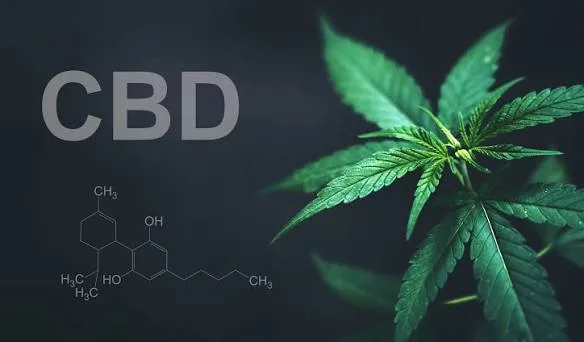
CBD is everywhere: oils, gummies, creams, even drinks. But with so many bold claims online, it's hard to know which CBD benefits are real. This guide covers what CBD is, what credible research says about its benefits, the known side effects, and how to choose a quality product. Every claim links back to a government agency, medical reference or peer-reviewed study listed at the end.
Quick note: CBD is not a substitute for medical care. Talk to your doctor before using CBD, especially if you take prescription medication.
What Is CBD?
- CBD (cannabidiol) is one of the two main cannabinoids in the cannabis plant; the other is THC. More than 100 other cannabinoids have also been identified. [6]
- Unlike THC, CBD is not intoxicating, so it doesn't produce a "high." [8]
- CBD appears to work partly by slowing the breakdown of a natural brain chemical involved in pain, mood and mental function. [8]
Does CBD Get You High?
Pure CBD does not. However, "full spectrum" products contain trace THC, and lab testing has found some CBD products contain more THC than their labels suggest. That's why third-party lab results matter. [7]
CBD Benefits: What the Research Shows
Research on CBD benefits is strongest for epilepsy and still emerging for everything else. Here's an honest breakdown by evidence level.
1. Seizure Disorders: Strong Evidence (FDA-Approved)
- In 2018 the FDA approved Epidiolex, a purified CBD prescription medicine. It treats seizures tied to two rare forms of epilepsy: Lennox-Gastaut syndrome and Dravet syndrome. [1]
- Approval was based on three randomized, placebo-controlled trials with 516 patients. CBD added to existing medications reduced seizure frequency. [1]
- This remains the only use of CBD generally recognized as safe and effective. [8]
2. Anxiety: Promising, Early Evidence
- A 2019 case series in The Permanente Journal followed 72 adults using CBD alongside usual care for anxiety or sleep problems. [3]
- Anxiety scores dropped in the first month for about 79% of patients and stayed lower through the study. [3]
- Researchers concluded CBD may help anxiety-related conditions, but controlled trials are still needed. [3]
3. Sleep: Mixed Evidence
- In the same study, sleep scores improved in roughly two-thirds of patients in month one, but the gains fluctuated over time. [3]
- Some people report better sleep, but results are less consistent than for anxiety.
4. Chronic Pain: Modest, Developing Evidence
- A 2024 systematic review of 15 studies found most reported pain reduction with CBD, alone or with THC. Three showed no significant benefit. [4]
- The authors called the evidence encouraging but limited, citing small studies and varied methods. [4]
- The NIH notes that cannabinoids overall show small benefits for chronic pain, mostly nerve-related pain. [6]
- Another review pointed to possible benefits for sleep and quality of life in people with chronic pain. [5]
5. Overall Safety Profile
The World Health Organization's 2018 critical review found CBD generally well tolerated, with a good safety profile and no signs of abuse or dependence potential. [2]
CBD Side Effects and Who Should Be Careful
CBD is not risk-free. According to the FDA and medical references:
- Common side effects: drowsiness, diarrhea, decreased appetite, dry mouth, mood changes and light-headedness. [8][9]
- Liver: CBD can affect the liver, a risk identified during the Epidiolex trials. [9]
- Drug interactions: CBD can change how other medications work. Examples include blood thinners like warfarin, levothyroxine and some seizure medications. [8][9]
- Alcohol and sedatives: combining these with CBD can increase drowsiness. [8]
- Pregnancy and breastfeeding: CBD may not be safe, so avoid it unless your doctor approves. [8]
Types of CBD Products
- Full spectrum: CBD plus other hemp cannabinoids and terpenes, including trace THC.
- Broad spectrum: multiple cannabinoids and terpenes, with THC removed.
- CBD isolate: pure CBD only, with no other cannabinoids.
Common forms:
- Oils and tinctures, taken under the tongue
- Gummies and edibles
- Capsules and softgels
- Topicals: creams, balms and roll-ons
How to Choose a Quality CBD Product
A 2017 JAMA study tested 84 CBD products sold online. Only about 31% were accurately labeled: 43% had more CBD than stated and 26% had less. Some also contained unlisted THC. [7] To shop smarter:
- Ask for a COA (Certificate of Analysis) from a third-party lab, matched to the product's batch.
- Check the CBD per serving, not just the total mg per bottle.
- Confirm the THC content on the COA, especially for full-spectrum products.
- Look for contaminant testing for pesticides, heavy metals and solvents.
- Avoid miracle claims. No CBD product can legally claim to cure or treat disease.
- Start low and go slow, and talk to your doctor if you take medications.
Is CBD Legal? (2026 Update)
- A federal law signed in November 2025 redefined "hemp." It caps finished hemp-derived products at 0.4 mg of total THC per container. [10]
- The first part took effect November 12, 2026, and Congress pushed the broader restrictions to December 11, 2026. [11]
- Many full-spectrum CBD products contain more than 0.4 mg of THC per container and may be affected. CBD isolate and THC-free broad-spectrum products are less likely to be impacted.
- Laws are changing fast, so ask our staff what's currently available.
FAQ
Is CBD the same as THC?
No. Both come from cannabis, but CBD doesn't cause a high.
How long does CBD take to work?
It depends on the form. Tinctures generally act faster than edibles or capsules, and topicals act where you apply them.
Can CBD show up on a drug test?
Possibly. Full-spectrum products contain trace THC, and mislabeled products may contain more. If testing is a concern, choose THC-free products with a COA.
Is CBD safe to take every day?
Research suggests CBD is generally well tolerated, but long-term data is limited and it can interact with medications. Check with your doctor.
Is CBD FDA approved?
Only one prescription CBD drug, Epidiolex, is FDA approved. Over-the-counter CBD products are not.
Shop CBD at Vapor Club in Grapevine
Have questions about CBD benefits or which product fits you? Visit Vapor Club in Grapevine. Our team can show you lab-tested options, explain the difference between product types and help you find the right fit.
Disclaimer: This article is for educational purposes only and is not medical advice. These statements have not been evaluated by the FDA. CBD products are not intended to diagnose, treat, cure or prevent any disease. Must be 21+ to purchase.
References
- FDA Approves First Marijuana-Based Drug to Treat Rare Forms of Epilepsy — AJMC (2018)
- Cannabidiol (CBD) Critical Review Report — World Health Organization (2018)
- Shannon S, et al. Cannabidiol in Anxiety and Sleep: A Large Case Series — The Permanente Journal (2019)
- Effectiveness of Cannabidiol to Manage Chronic Pain: A Systematic Review — Pain Management Nursing (2024)
- Villanueva MB, et al. Efficacy, Safety, and Regulation of Cannabidiol on Chronic Pain — Cureus (2022)
- Cannabis (Marijuana) and Cannabinoids: What You Need To Know — NIH NCCIH
- Bonn-Miller MO, et al. Labeling Accuracy of Cannabidiol Extracts Sold Online — JAMA (2017)
- Cannabidiol (CBD) — Merck Manual Consumer Version (2025)
- What You Need to Know About Products Containing Cannabis or Cannabis-Derived Compounds, Including CBD — U.S. FDA
- Change to Federal Definition of Hemp and Implications for Federal Enforcement — Congressional Research Service (2025)
- Federal Hemp Changes — Womble Bond Dickinson (2026)